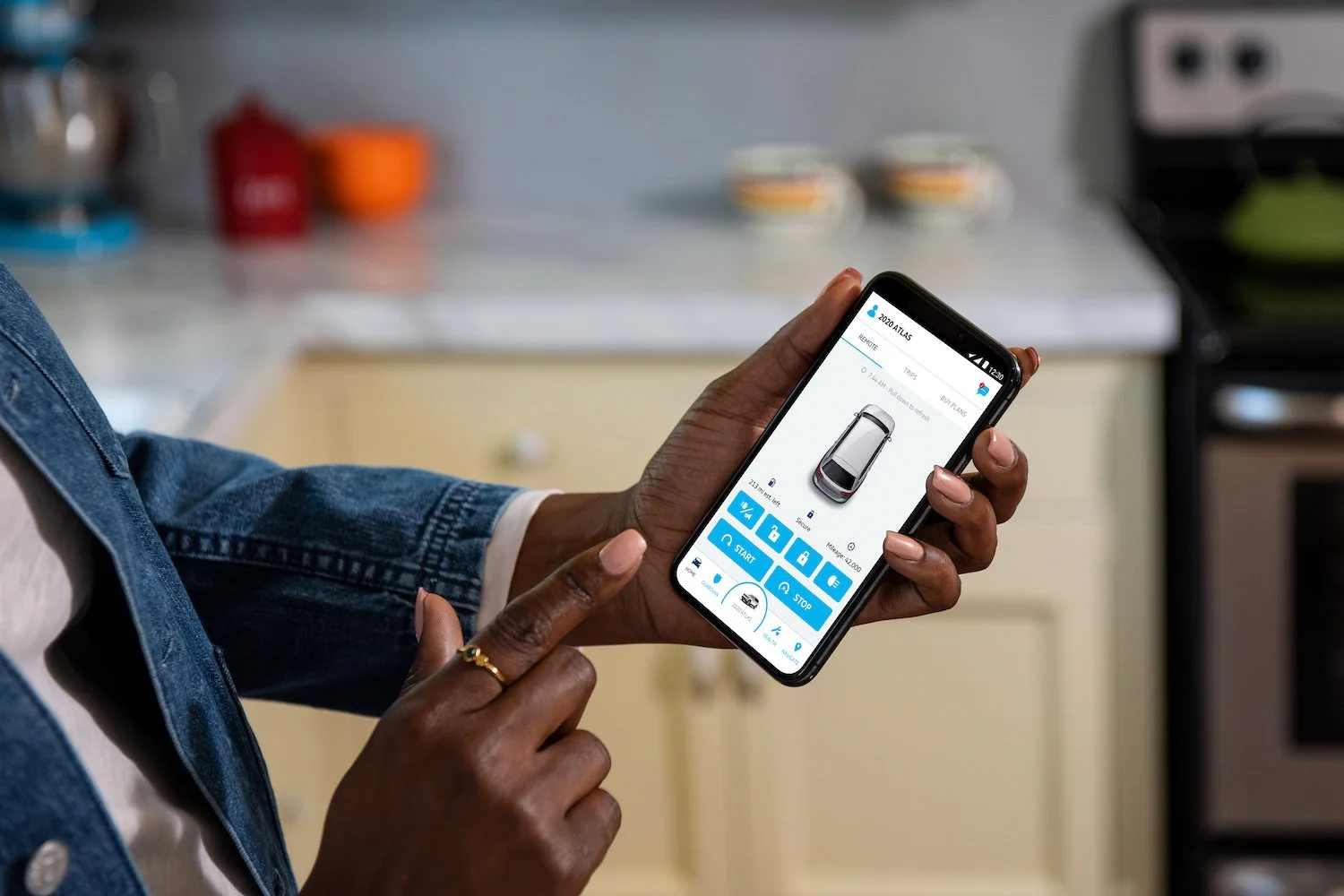
Car-Net
Volkswagen Group of America
TLDR:
Led UI UX Design for Car-Net website, iOS app, Android app, and head unit web app, as well as xAudi internal website. Responsibilities included planning design phases with business and delivery (estimation, sprint planning, standups, retrospectives, and walkthroughs on a weekly basis). Owned and implemented usability/design standards, prioritized future design work in tandem with Volkswagen's planned roadmap/development team, and facilitated team communication.
Objective
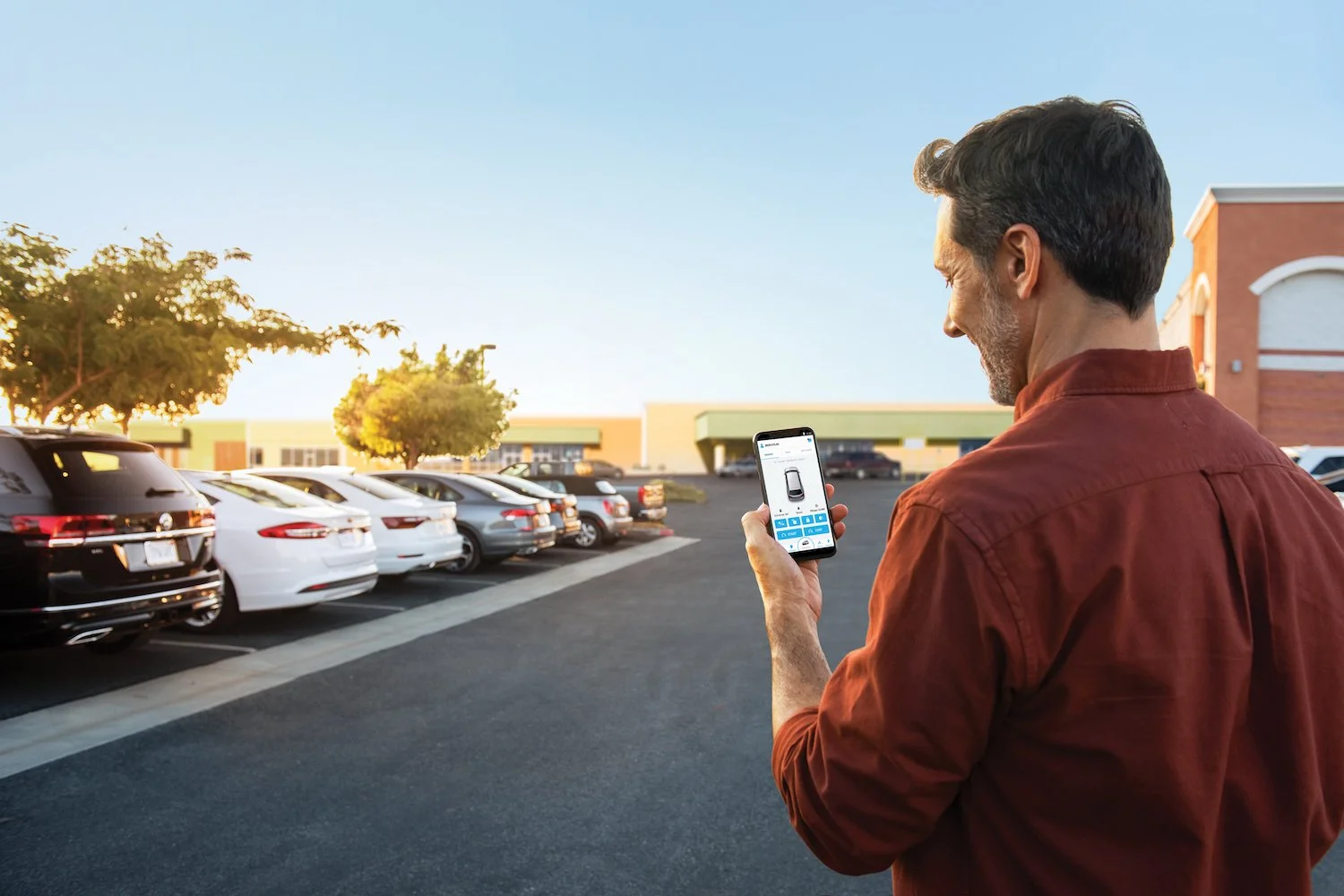
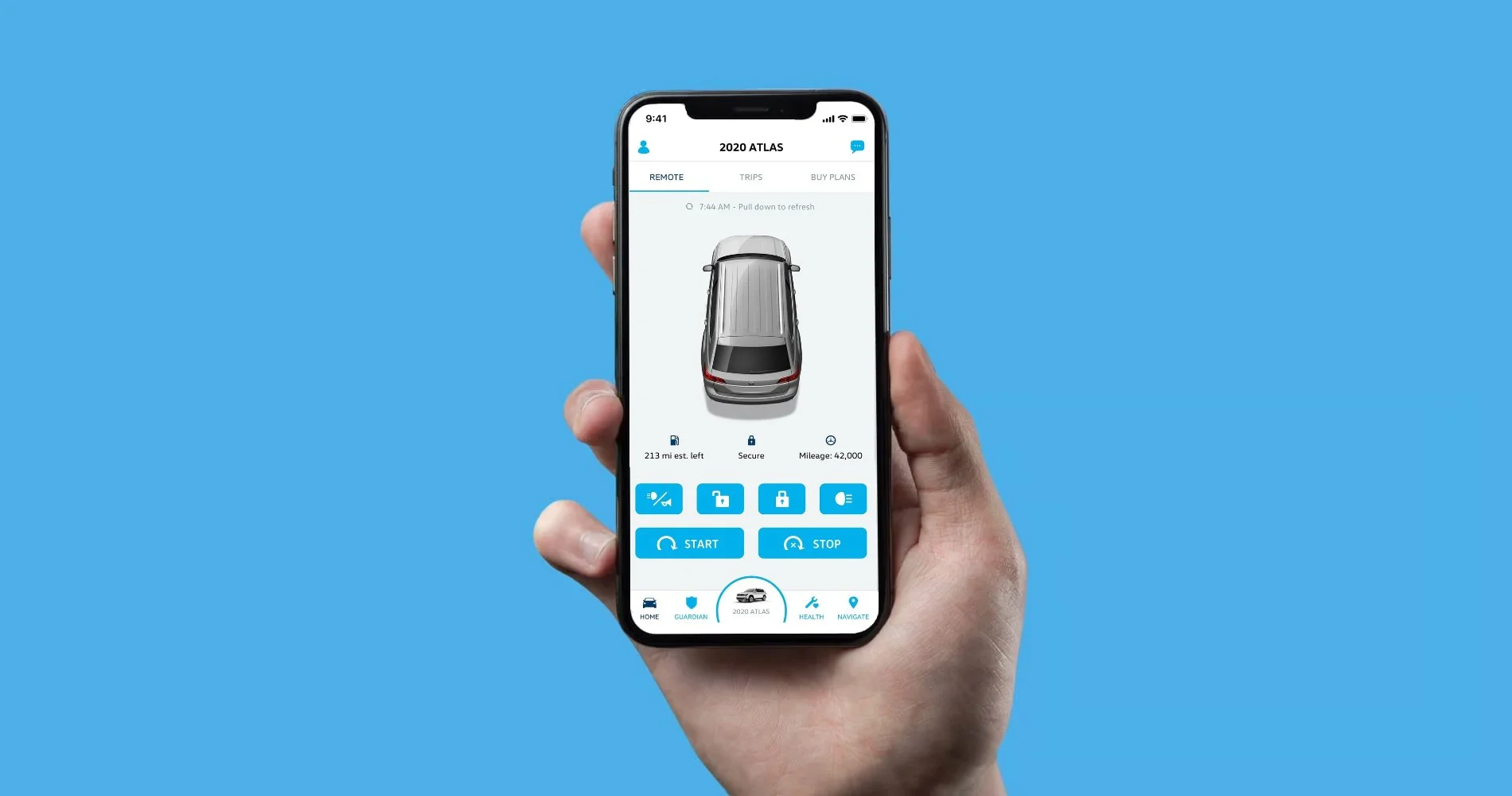
Create a usable interface for VW customers to control their vehicles remotely, find where they parked, and subscribe to services both via account and per vehicle.
Start
There was some initial design work handed off, but what we had was the start of UI without any UX input. No thought was given to how to get from point A to point B, no back buttons, no real menu. Necessary functionality was missing in favor of minimal aesthetics, and with a delivery deadline quickly approaching they needed help. That’s where I came in.
Our product owner and Scrum master had started to put together a list of functional requirements missing from the app along with partial user stories and a lot of assumptions that needed to be assessed.
The list was incomplete and needed direction, which was where I started.
Business goals were sharpened, MVPs defined, user journeys created, assumptions challenged, and requirements, acceptance criteria, and user stories were organized. Once we had a better handle on what users needed, UX and UI could be approached through wireframes and mockups much more comprehensively.
Challenges
Ideally design would have been validated by development during sprint zero, but ultimately that time had come and gone and the project needed to move immediately.
Because we organized our sprints by functionality/feature set, it was my job as lead designer to stay two sprints ahead with wireframes and mockups and make sure we weren’t designing ourselves into a corner.
I was able to get far enough ahead to minimize reworking pages as much as possible, which meant designing for iOS, Android, and Responsive Web in tandem.
Thankfully, I was put in the same room with an incredibly talented mobile dev team, which removed a lot of communication barriers that otherwise would have slowed down such an intense and rapid iteration cycle.
Outcome & Retrospecticve
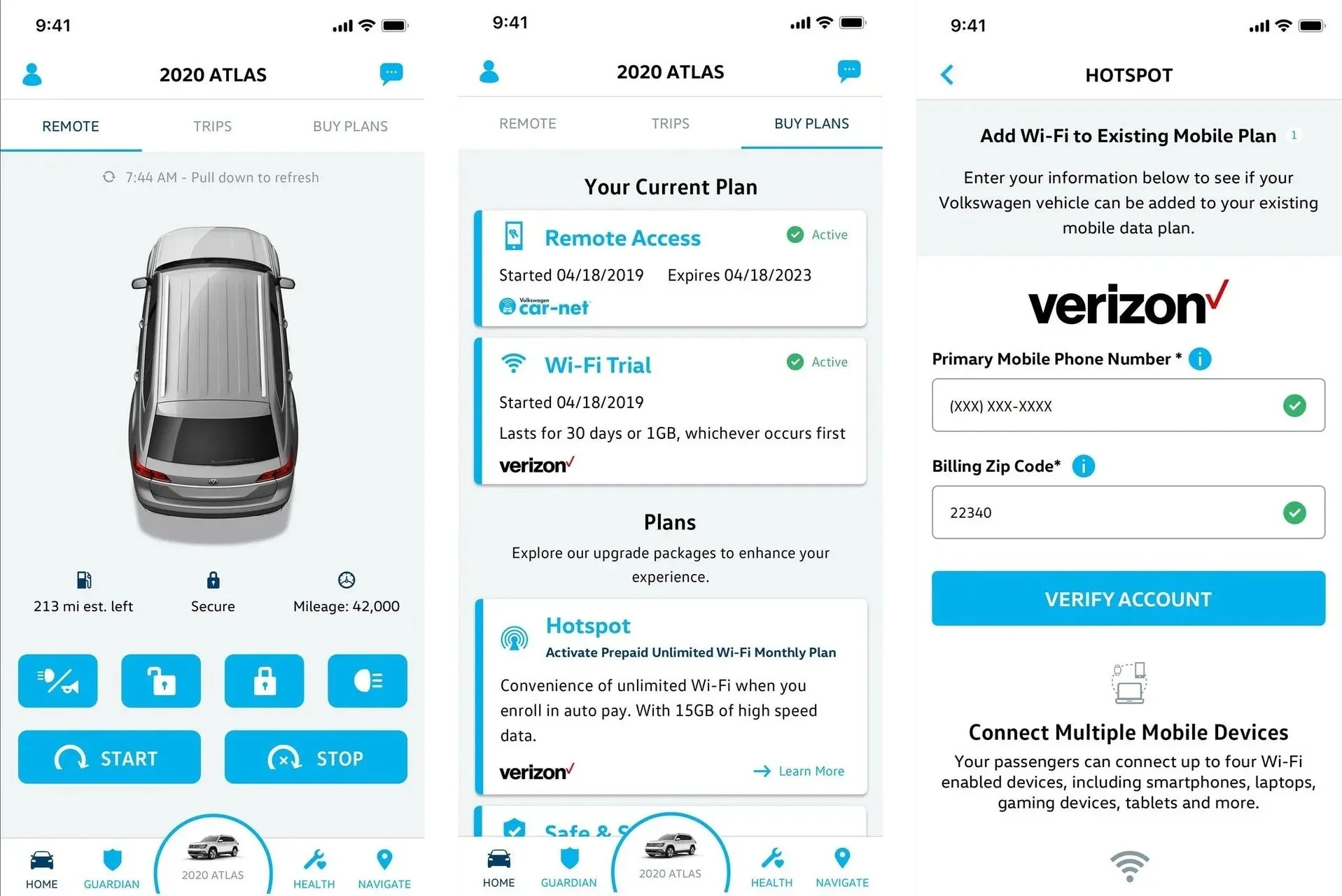
The largest business need was met: namely users could now subscribe to services both as an account holder and per individual vehicle leading to increased revenue channels for VW while also greatly enhancing user experience.
Users could now use biometrics to sign in, switch vehicles in app, and had access to the most used functionality front and center.
Deliverables:
Three cohesive and well thought out interfaces were delivered and implemented for iOS, Android, and Responsive Web.
Page flows
User Journeys
Requirements Documentation
Wireframes
Mockups
Dev Assets
Style Guide
Prototypes
Zeplin Files